


Eight ways protective coatings reduce maintenance costs
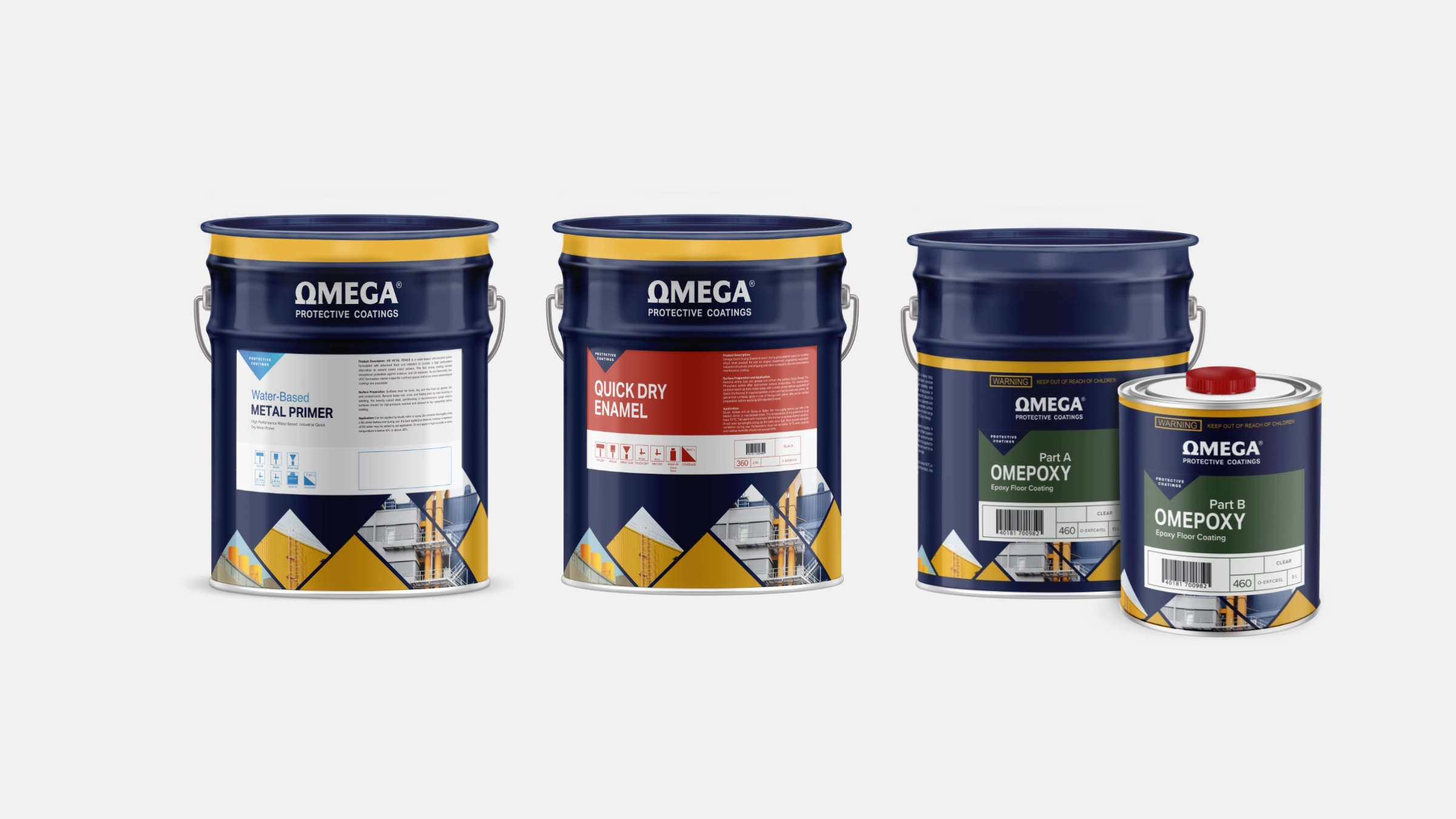
When machines stop, the costs add up fast. The smarter approach is to prevent damage before it happens rather than fix things once they break. Corrosion, chemicals, moisture and UV are always at work on industrial assets, and even damage you can't yet see can lead to unplanned shutdowns, expensive repairs and safety risks. A protective coating is a tough barrier that helps assets resist that wear over time. OPPS supplies a range of protective coatings built for corrosion, abrasion and harsh operating conditions across heavy industry. Here's how they bring maintenance costs down.
1. Prevent corrosion before it starts.
Corrosion is one of the most common and costly problems in industry. Left alone it works away at metal surfaces, usually unseen until the damage is serious. A protective coating seals out the moisture, chemicals and oxygen that drive rust, so stopping it early avoids expensive repairs and replacements and keeps equipment in service longer.
2. Get more years out of equipment.
Plant, pipework and structures are built to last, but they take a beating every day. A coating adds a layer that resists abrasion, impact and wear, so assets run longer before they need major repair or replacement. The longer they last, the more value you get from the original spend.
3. Cut downtime.
Unplanned shutdowns are one of the biggest drains on an industrial budget. When something fails, the line stops and output suffers. Keeping surfaces and equipment in good condition lowers the chance of sudden failures, which means fewer breakdowns and steadier output.
4. Lower cleaning and upkeep costs.
In food processing, pharmaceuticals and general manufacturing, cleaning is constant. Coatings designed to resist stains and chemicals create smooth, non-porous surfaces that take less scrubbing and fewer cleaning products, and are easier to keep hygienic. Over time that means lower cleaning costs and fewer labour hours spent on maintenance.
5. Support safety and compliance.
Safety and compliance aren't optional in most industries. Depending on the job, a coating can add fire resistance, anti-slip surfaces or antimicrobial properties, and help meet the relevant Australian Standards and Work Health and Safety requirements. That keeps workers safer and helps avoid penalties.
6. Stand up to Australian conditions.
Australian conditions are hard on industrial surfaces. UV levels here are among the highest in the world, much of the country's industry sits in coastal and marine areas where salt drives corrosion, and inland and industrial atmospheres carry their own chemical load. AS 4312 sorts these into corrosivity categories from C1 through to C5, split into marine and industrial, and AS/NZS 2312 guides which coating system suits each one. Matching the coating to the corrosivity category is what keeps surfaces protected longer and cuts how often they need recoating.
7. Bring down long-term maintenance budgets.
The upfront cost of a protective coating can look high, but the long-term saving is the point. Factor in fewer breakdowns, less cleaning and longer equipment life, and the total cost of ownership drops. Money that would have gone on constant repairs can go somewhere more useful.
8. Match the coating to the job.
Different industries face different problems, and a single coating rarely suits them all. A product built for chemical resistance in a processing plant isn't the one you want for abrasion on a factory floor. OPPS formulates protective coatings to the specific demand, so the protection holds up in the field.
A protective coating does more than guard a surface. It lowers repair bills, reduces risk and keeps operations moving. With Australia's UV, coastal exposure and demanding industrial settings, the coating has to be matched to the conditions to earn its keep.
If you want help choosing a protective coating for your site, Contact us and we'll work out what suits the job.


